
How to Use Claude Artifacts to Build Custom Business Tools Without Coding
For years, small business owners and digital marketers faced a significant barrier: if you needed a custom tool to manage your data or calculate ROI, you either had to pay for a bloated SaaS subscription or hire a developer. That changed with the release of Claude 3.5 Sonnet and its revolutionary feature called ‘Artifacts.’
Claude Artifacts allows users to see, edit, and interact with the code, documents, and websites the AI generates in real-time. Instead of just getting a block of text, you get a functioning side-window where you can actually use the tool Claude builds for you. This is a massive leap forward for anyone looking to boost their productivity without learning how to code.

What Exactly Are Claude Artifacts?
In simple terms, an Artifact is a dedicated window that appears alongside your chat. When you ask Claude to create something complex—like a React application, a dashboard, or a complex diagram—it doesn’t just dump the code into the chat. It renders the code into a live preview. This allows you to see the visual output immediately.
This is particularly useful for building internal business tools. You can ask Claude to create a project management dashboard, and within seconds, you’ll have a clickable interface where you can add tasks, move buttons, and visualize progress. If you’re already using various productivity apps to stay organized, Artifacts can bridge the gap by creating hyper-specific tools that your generic apps might be missing.
Practical Use Cases for Business Owners
The beauty of this technology lies in its practicality. Here are three ways real businesses are using Claude Artifacts right now:
1. Custom ROI and Pricing Calculators
If you are in sales or digital marketing, you often need to show clients the potential return on investment. Instead of a messy spreadsheet, you can ask Claude to build a ‘Professional ROI Calculator with sliders and a branded color scheme.’ You can then use this interactive tool during live meetings to show clients how different variables affect their bottom line.
2. Content Calendars and Interactive Planners
Managing a content schedule can be a headache. You can prompt Claude to build a drag-and-drop content calendar. You can define your specific pillars, platforms, and deadlines. Because it’s an Artifact, you can interact with the calendar, toggle views, and even export the structure once it’s perfect.
3. Lead Scoring Dashboards
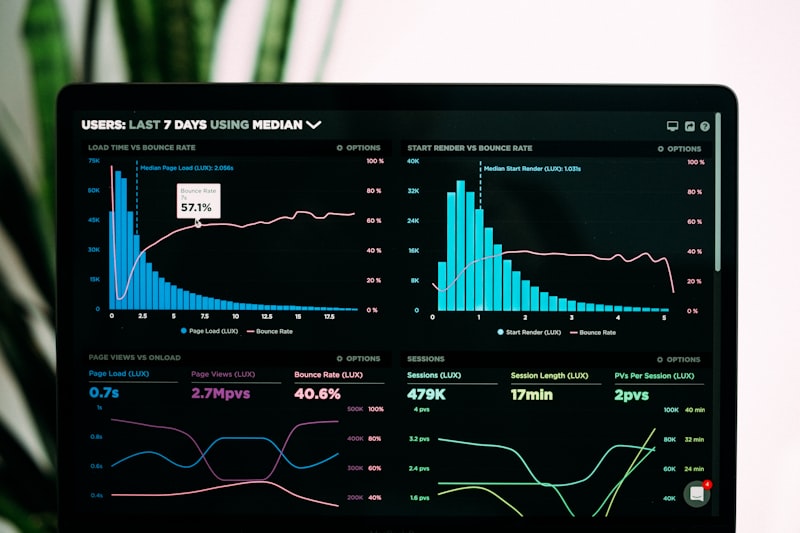
Marketing teams often have unique criteria for what makes a ‘good’ lead. You can build a custom lead scoring tool where you input data points—like budget, industry, and timeline—and the tool provides a visual score. This helps your sales team prioritize their outreach without needing an expensive CRM add-on.
Step-by-Step: Creating Your First Business Tool
Ready to build something? Follow these simple steps to get your first custom tool running in under five minutes.
Step 1: Enable Artifacts
Ensure you are using the latest version of Claude (3.5 Sonnet or higher). Look for the ‘feature preview’ or settings icon to ensure Artifacts are toggled on. Most users now have this enabled by default in the interface.
Step 2: Provide a Specific Prompt
The quality of your tool depends on your prompt. Don’t just say ‘make a calculator.’ Instead, try: ‘Build a React-based interactive marketing budget calculator. Include fields for Ad Spend, CPC, and Conversion Rate. Make it look professional with a clean UI and a bar chart showing projected profit.’
Step 3: Iterate and Refine
This is where the magic happens. Once the Artifact appears in the side window, you can ask for changes. ‘Can you add a button to export this as a PDF?’ or ‘Change the theme to dark mode and make the font larger.’ Claude will update the Artifact in real-time. Many of these features are regularly showcased on Product Hunt, where users share innovative ways to leverage AI for micro-SaaS creation.
Step 4: Deployment
While Claude hosts the preview, you can actually take the code and host it yourself. If you want to use the tool permanently, ask Claude for the full HTML/React code block. You can then use platforms like Vercel or Netlify to launch your tool for free, or simply keep it as a saved chat for internal use.
Why This Beats Traditional SaaS Tools
Using AI marketing tools is nothing new, but the ability to build your own is a game-changer. Most SaaS platforms are designed for the ‘average’ user, which means they often include features you don’t need while missing the ones you do. Claude Artifacts gives you 100% control over the features and the interface.
Furthermore, it saves you money. Instead of paying $20/month for a specialized calculator or a small reporting tool, you can build it once and use it forever. It also integrates perfectly with your existing workflow. For example, you can take data from Zapier automation and paste it into your custom-built Claude dashboard for instant analysis.
Common Pitfalls to Avoid
- Vague Prompting: If you aren’t specific about the layout, the UI might look basic. Always specify a ‘clean’ or ‘modern’ design style.
- Data Privacy: Avoid pasting sensitive customer data (like Social Security numbers or private bank details) into the chat. Use placeholder data to test your tool first.
- Complexity Overload: Start small. Build a single-function tool before trying to build an entire ERP system in one prompt.

Conclusion
Claude Artifacts represents a shift from AI as a chatbot to AI as a software creator. For business owners and professionals, this means the end of ‘making do’ with generic software. You now have the power to create a custom digital toolkit tailored exactly to your business needs, all through simple conversation.
Start by building one small tool today—perhaps a simple lead calculator or a daily task visualizer. Once you see how much time and money you can save by building your own solutions, you’ll never look at software the same way again. The era of the ‘No-Code’ revolution is officially here, and it’s powered by AI.
Author: TechSoftonics Editorial Team